 Putting Tribal Sovereignty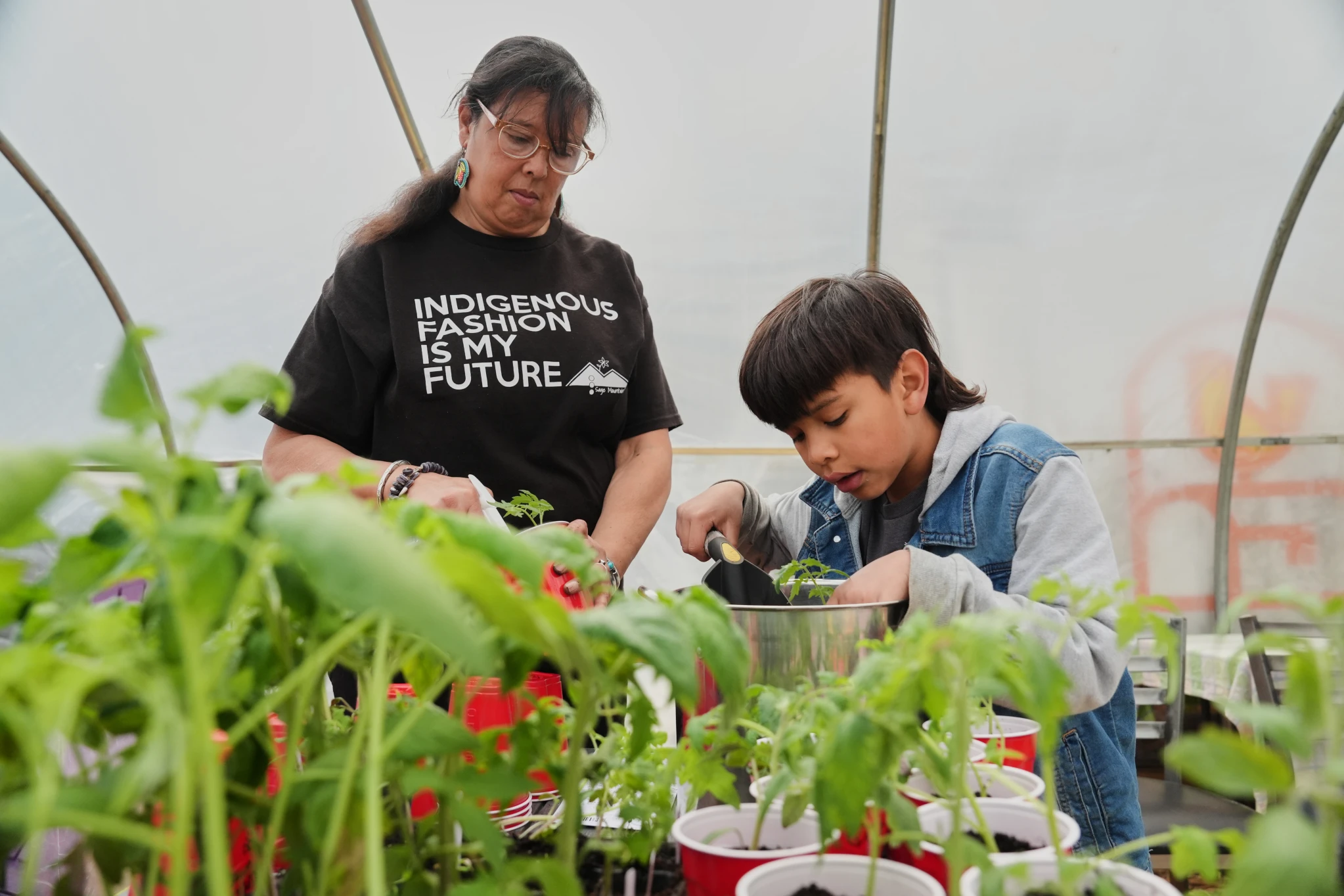
Dawn and Cassius Spears would like to expand their Rhode Island farm, but the Trump Administration has cut or scaled back some federal programs they and other small producers relied on to grow and distribute food. As Farm Bill discussions continue, they hope funding will be restored. (AP Video: Joshua A. Bickel)
HOPKINTON, R.I. (AP) – At Ashawaug Farm in southwest Rhode Island, Dawn and Cassius Spears preserve their Indigenous knowledge of agriculture through the cultivation and keeping of three Narragansett heritage crops: white corn, succotash beans and crookneck squash.
They would like to expand their farm’s reach beyond their farm stand, but it’s challenging. Like many small food producers, the Spears have sought financial assistance through federal programs. Some have been cut or significantly scaled back under the Trump Administration, including U.S. Department of Agriculture programs that helped tribal farmers.
Tribes relied on these programs to grow and distribute culturally-significant foods locally.
“When we go into these federal programs, we’re hoping that they’ll last long enough,” Cassius Spears said. “They usually start out with a good song and dance. And they’re going to last a long time. And then something happens where they get cut.”
Programs help state and tribal governments purchase local food
The Biden administration started two programs during the pandemic to help states and tribes purchase local food from nearby farmers for food banks and schools: the Local Food Purchase Assistance Cooperative Agreement Program (LFPA) and the Local Food for Schools Cooperative Agreement Program (LFS). These programs offered farmers, including tribal farmers, reliable markets for their products. Tribal governments received assistance to purchase food from local producers to distribute to tribal members.
This allowed tribes to get federal dollars directly to small-scale producers, said Carly Griffith Hotvedt, executive director of the Indigenous Food and Agriculture Initiative and a member of Cherokee Nation. The Spears’ farm provided food for a tribal farm in nearby Connecticut that used LFPA funds, after an agreement was signed in August 2022.
In some instances, tribes used those dollars to source culturally-significant foods for tribal members such as bison meat, certain types of berries and wild rice that were included as part of a food box distribution. For some low-income tribal members, it was the best way to access these types of foods, Hotvedt said.
“It wasn’t just commodity foods in that box. It was highly local, traditionally relevant, culturally relevant foods that were included,” Hotvedt said.
In March 2025, under the Trump administration, the Agriculture Department ended the two programs that provided more than $1 billion for schools and food banks, saying that they no longer aligned with the agency’s goals.